
Exploring Pesticide Exposure and Health in Eastern Ethiopia Communities
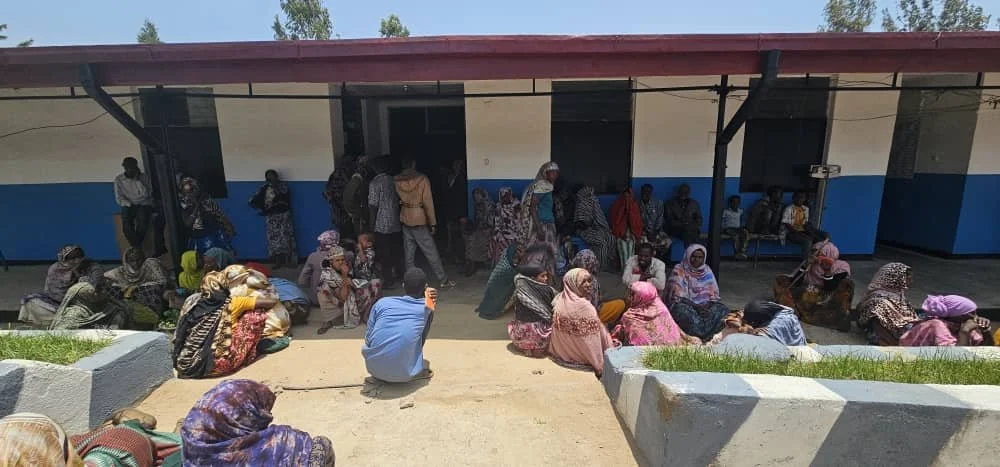
In a collaboration between the University of Florida and Haramaya University, our research teams are investigating the relationship between agricultural pesticide exposure and adverse health outcomes in rural eastern Ethiopia. Pesticide exposure is suspected to contribute to a spectrum of serious health outcomes, including chronic liver disease, cancer, birth defects, and neurological and cardiorespiratory harm, with pregnant women, children, and farmers potentially at greatest risk. The region faces alarming rates of liver disease and liver cancer, and in more than half of cases, doctors cannot identify a cause.
In this water limited area, farmers rely heavily on pesticides, including compounds banned in the U.S. and Europe, to sustain food and khat production, a culturally significant cash crop with widespread consumption across all demographics. With no municipal water infrastructure, communities depend entirely on wells, rivers, and springs that run through and are adjacent to farmed land as their sole source of water for drinking, food preparation, and bathing.
This study will help us determine the extent of these exposures and their impact on human health.
What are researchers doing?
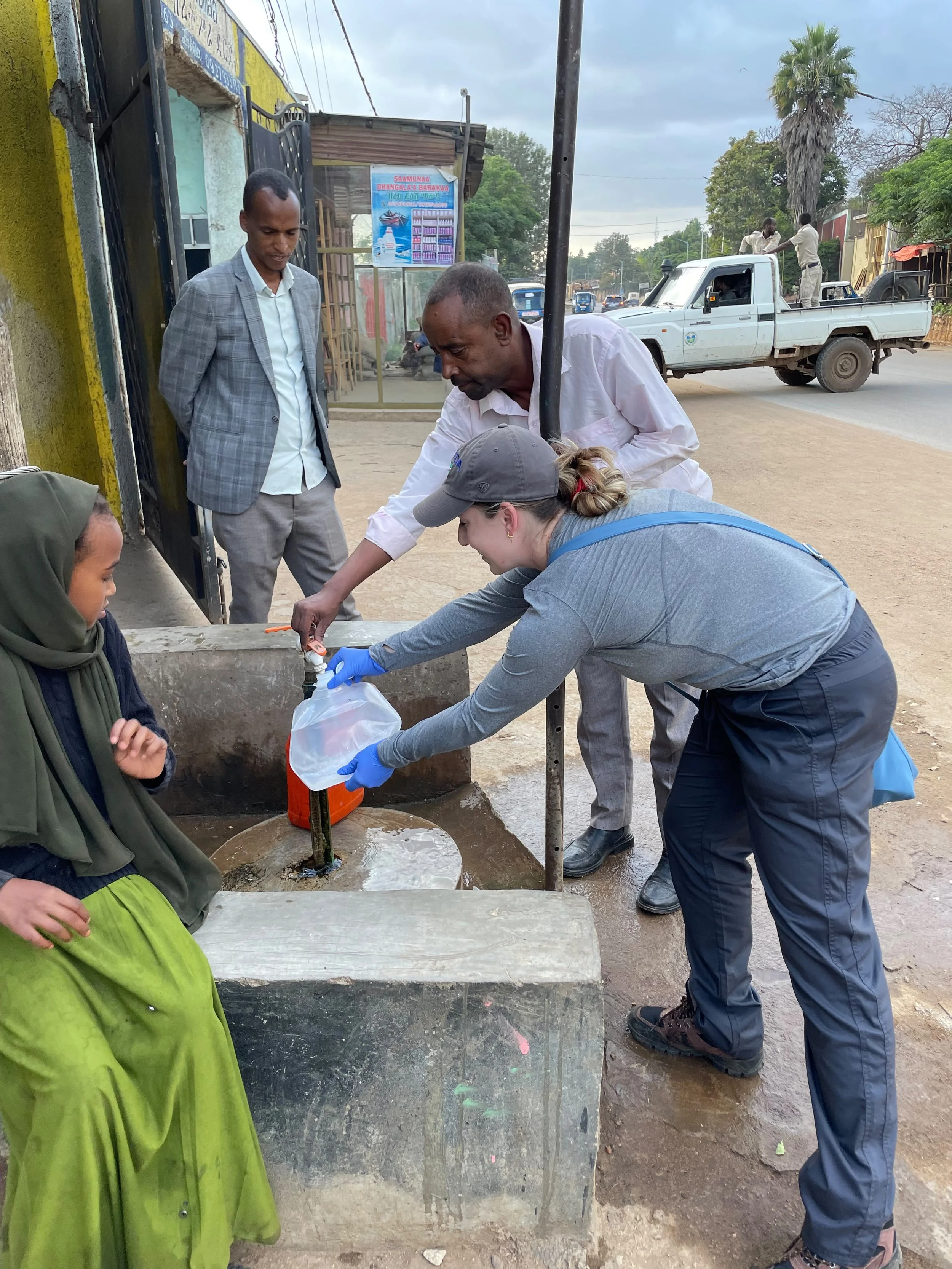
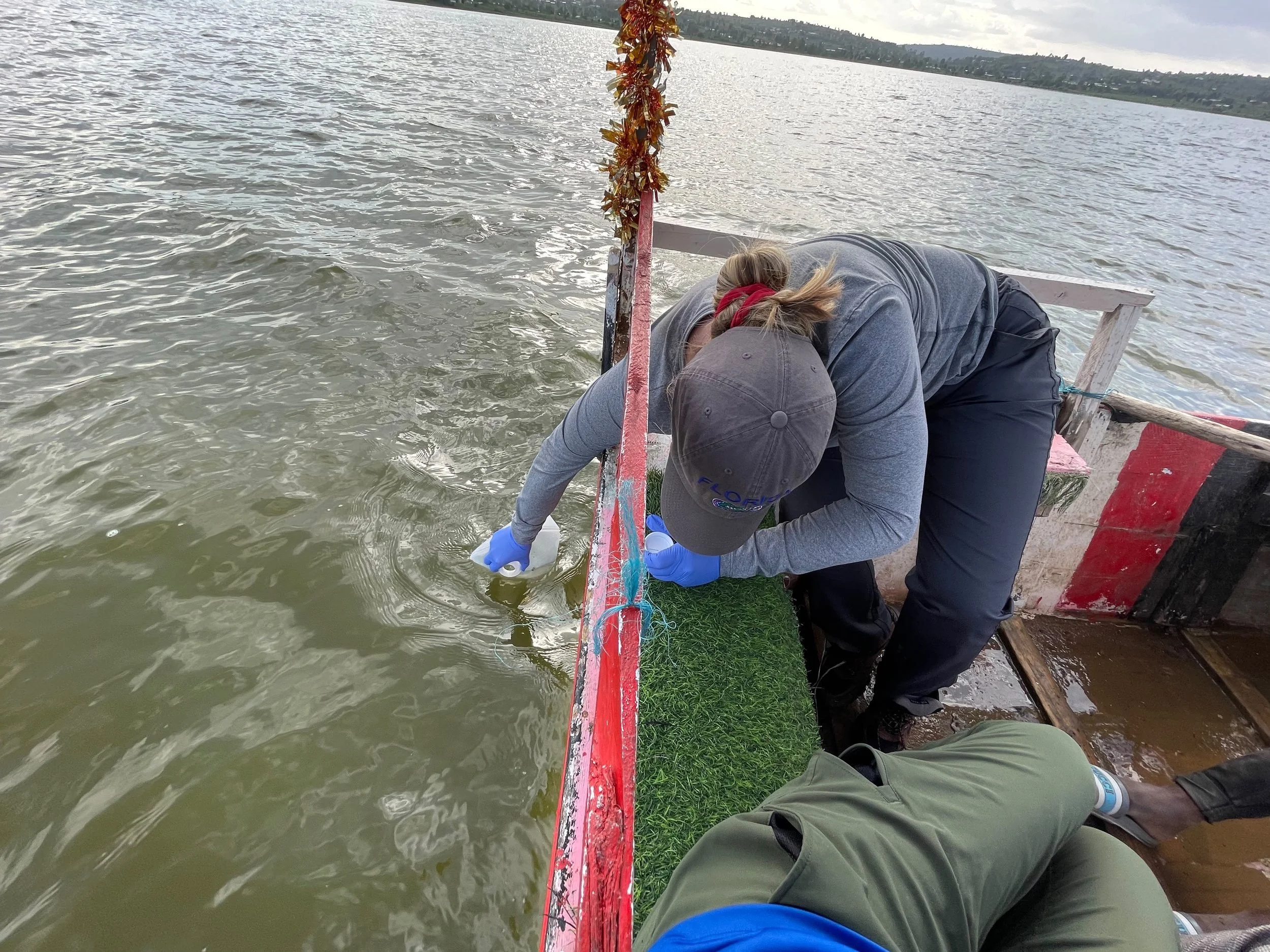
Our teams from the University of Florida and Haramaya University will collect samples from the resources local families depend on every day, including:
Drinking water from wells, rivers, and springs
Household water transport and storage containers
Khat and commonly consumed vegetables, both surface residues and internal extracts
Samples across three distinct communities: Haramaya, Kersa, and Babile
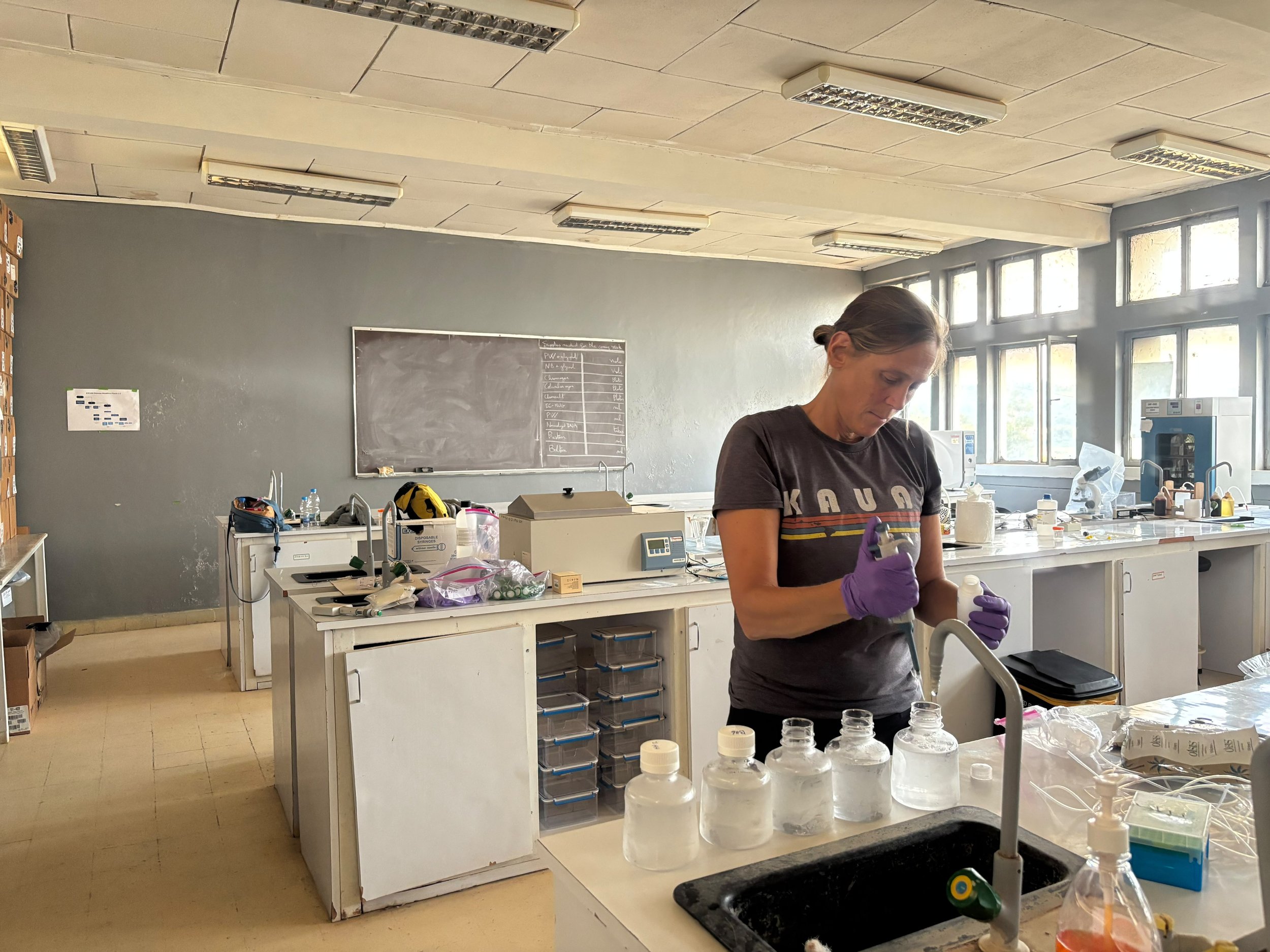
All samples will be analyzed at the University of Florida to identify which pesticides are present and at what levels in these Ethiopian communities. We are working alongside a partner study screening roughly 2,000 adults for signs of liver disease, allowing us to directly connect what people are exposed to and their health.
Why does this matter?
This is some of the first research of its kind in rural Ethiopia. Early results have already shown:
Multiple pesticide compounds detected in local drinking water and on khat leaves, including banned products like DDT.
Contamination levels exceeding international safety standards.
This study will:
Map pesticide contamination across water, food, and khat in three communities.
Examine pesticide exposures in relation to real health data and outcomes in thousands of people.
Generate the evidence needed to drive policy change, improve farming practices, and protect communities.