
Building Better Health Care in Eastern Ethiopia
The Main Challenge
People in eastern Ethiopia face major barriers to getting medical care. Many families must travel more than 400 kilometers to reach specialized services. Travel, lodging, food, and medication costs can be overwhelming, especially for families who depend on farming or livestock for their income. These challenges often cause delays in diagnosis, treatment, and follow-up care. In addition, many patients are first seen at local clinics or district hospitals where staff may not have specialized training, leading to missed or delayed diagnoses.
Building the Health Care Workforce
One of the most important needs is expanding and strengthening the healthcare workforce at HFSUH and its clinics. Improving clinician (nurses, physicians, advanced providers) skills and technologies available can have an immediate impact on patient care and help support future growth. Recommended approaches include creating structured training programs, providing virtual education and case discussions, offering supportive-care workshops, and creating opportunities for clinicians to learn from experts through exchange visits. A "train-the-trainer" approach is emphasized so that knowledge spreads throughout the organization rather than remaining with a few individuals.
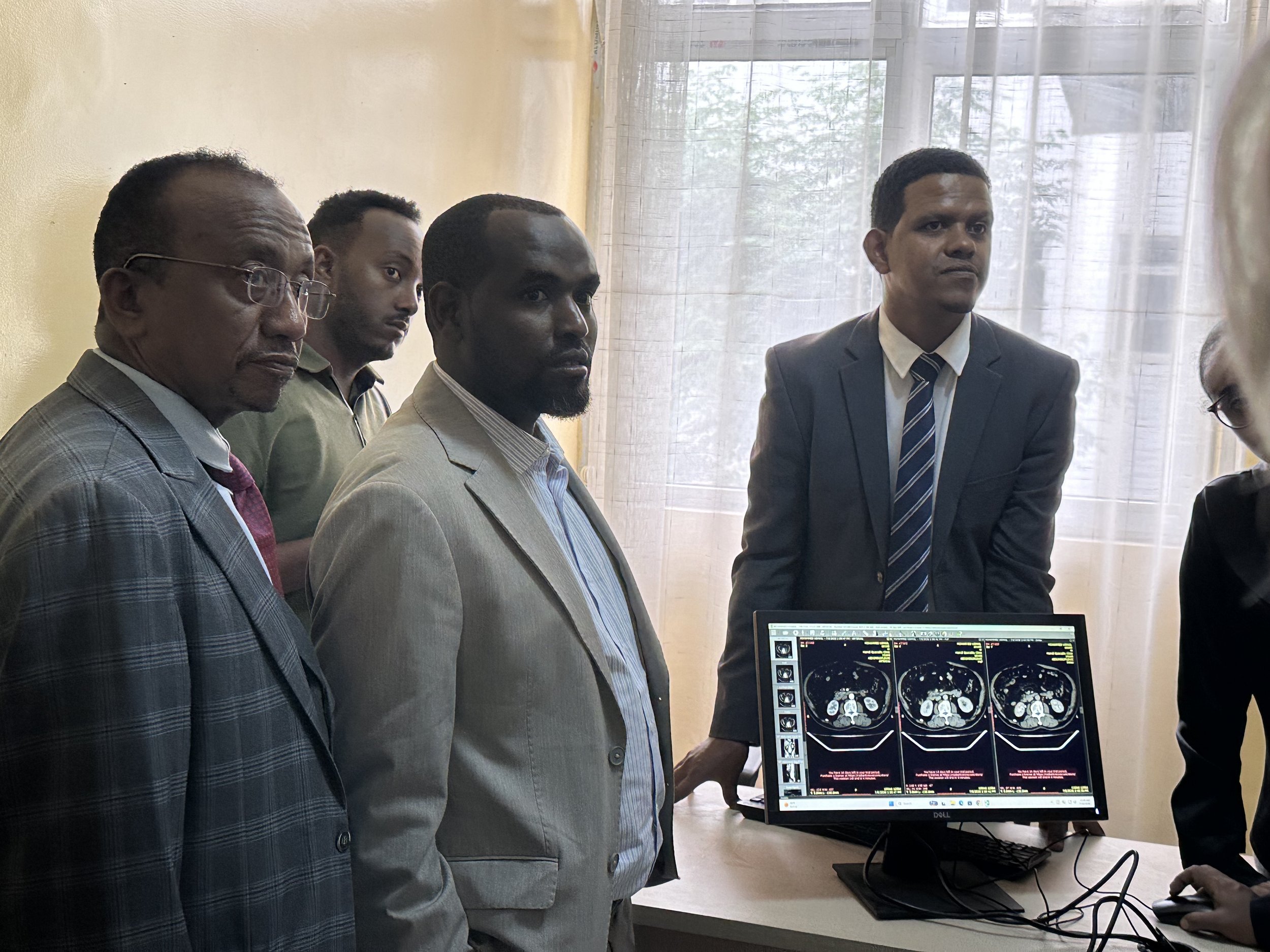
The hospital also serves as an important training site for resident physicians. Collaboration with UF could help develop educational materials tailored to local needs, provide access to learning resources, support career development, and create opportunities for residents to present their work at professional meetings. A recent example is the development of the first Radiology training program at HFSUH, that has been approved and enrolling its first class of three fellows. UF has helped support various training components and will now help develop specialized training in high impact areas of need (ie, interventional radiology).
Strengthening Cancer Care and Specialized Services
Increasing cancer burdens necessitate building stronger systems for cancer prevention, diagnosis, treatment, and follow-up care. Screening programs alone are not enough, as effective care requires a complete system that includes diagnosis, referral pathways, treatment services, communication, staffing, and long-term patient support.
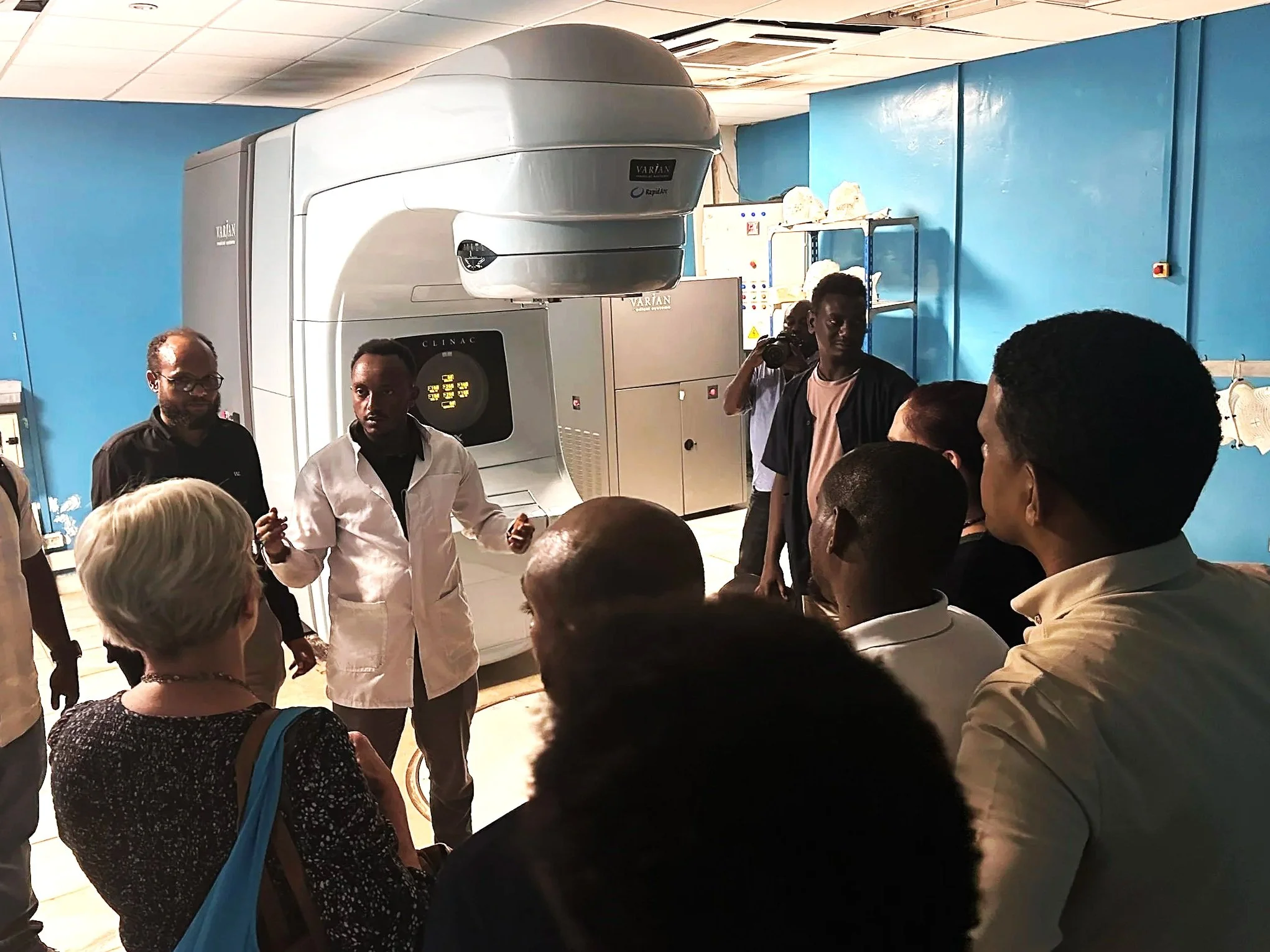
We also recognize that creating specialized services such as radiology, interventional radiology, or gastroenterology requires much more than training a single specialist. Successful programs need equipment, facilities, maintenance support, trained staff, financing, referral systems, and ongoing mentorship. Any new specialty service should be carefully planned and evaluated before being launched.
Connecting Research and Patient Care
Another key theme is importance of linking research to better patient outcomes. Creating patient registries and long-term clinical cohorts that could help clinicians learn more about conditions such as cancer, liver disease, and maternal and child health. Well-designed data systems can improve patient care while also supporting future research. This will require the need for strong information systems, data quality, privacy protections, and sustainable technology solutions. Research databases and clinical medical records serve different purposes, and both require careful planning and long-term support.
A Long-Term, Sustainable Partnership
A central message is that success depends on building lasting institutional partnerships rather than relying on individual champions. The proposed collaboration should include formal agreements, shared leadership, joint funding opportunities, and regular assessments to ensure that activities meet local needs. Research and training programs should help local teams develop their own expertise and independence over time.
Bottom Line
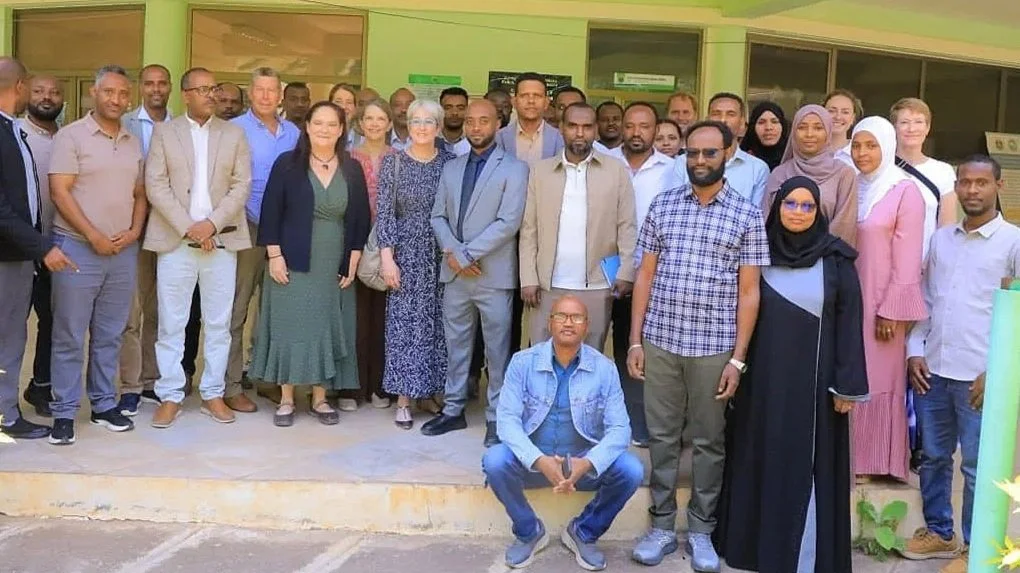
The opportunity is not simply to provide short-term support, but to help create a stronger, more self-sustaining health system in eastern Ethiopia. By investing in workforce development, enhanced subspecialty care, research infrastructure, technology, and long-term partnerships, Haramaya University and HUGHA can improve access to care, strengthen health outcomes, and expand opportunities for future generations of health professionals.