
Determining the Prevalence of Chronic Liver Disease in Adults in Eastern Ethiopia Communities
What is this study about?
Research teams from Haramaya University and the University of Florida are concerned that chronic liver disease in eastern Ethiopia may be affecting many people without them knowing it. Liver disease often develops slowly and can cause serious problems, including liver scarring (cirrhosis) and liver cancer. Many people with early liver disease have no symptoms, making it difficult to detect before major damage occurs.
Previous studies in eastern Ethiopia found that liver disease and liver cancer is rising at an alarming rate and that more than half of patients with severe liver disease had no known cause for their illness. Researchers suspect that environmental exposures, such as pesticides in food and water, toxic substances produced by mold (aflatoxins), and other pollutants, may be contributing to liver damage.
This study will help determine how common liver disease is in the community and whether environmental contaminants could be playing a role.
What will the researchers do?
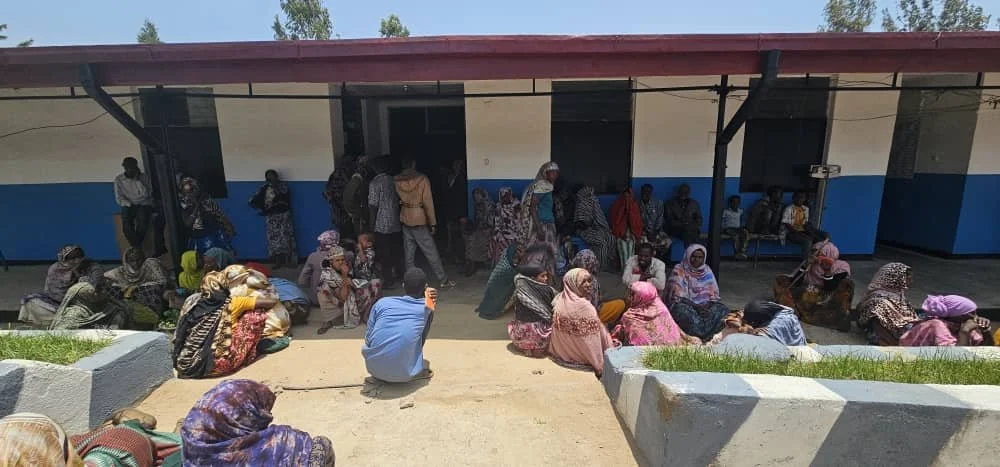
The study will take place in several communities in eastern Ethiopia, including Haramaya, Kersa, and Babile districts. Researchers plan to enroll about 2,000 adults.
Participants will:
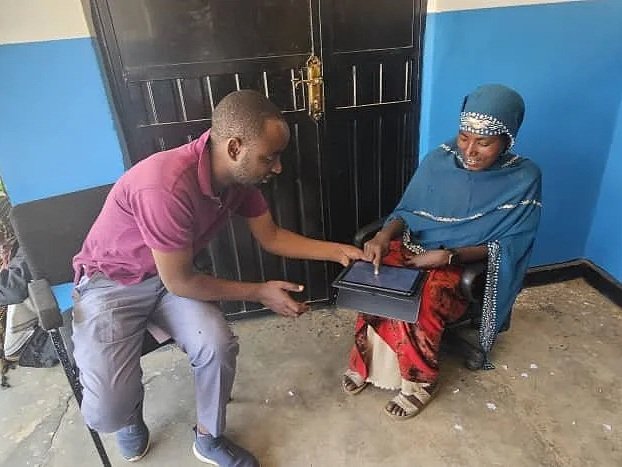
Complete a health and lifestyle questionnaire.
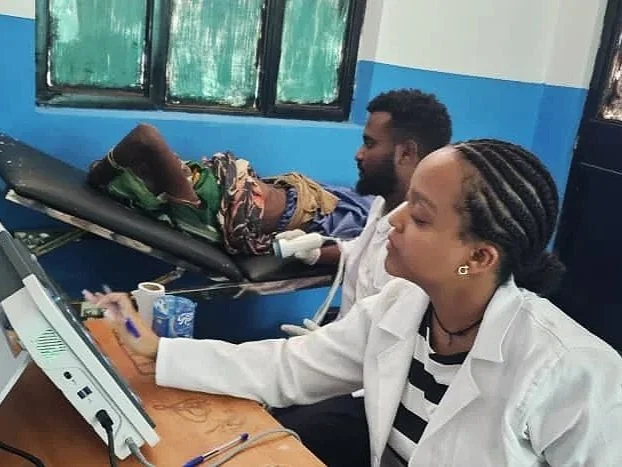
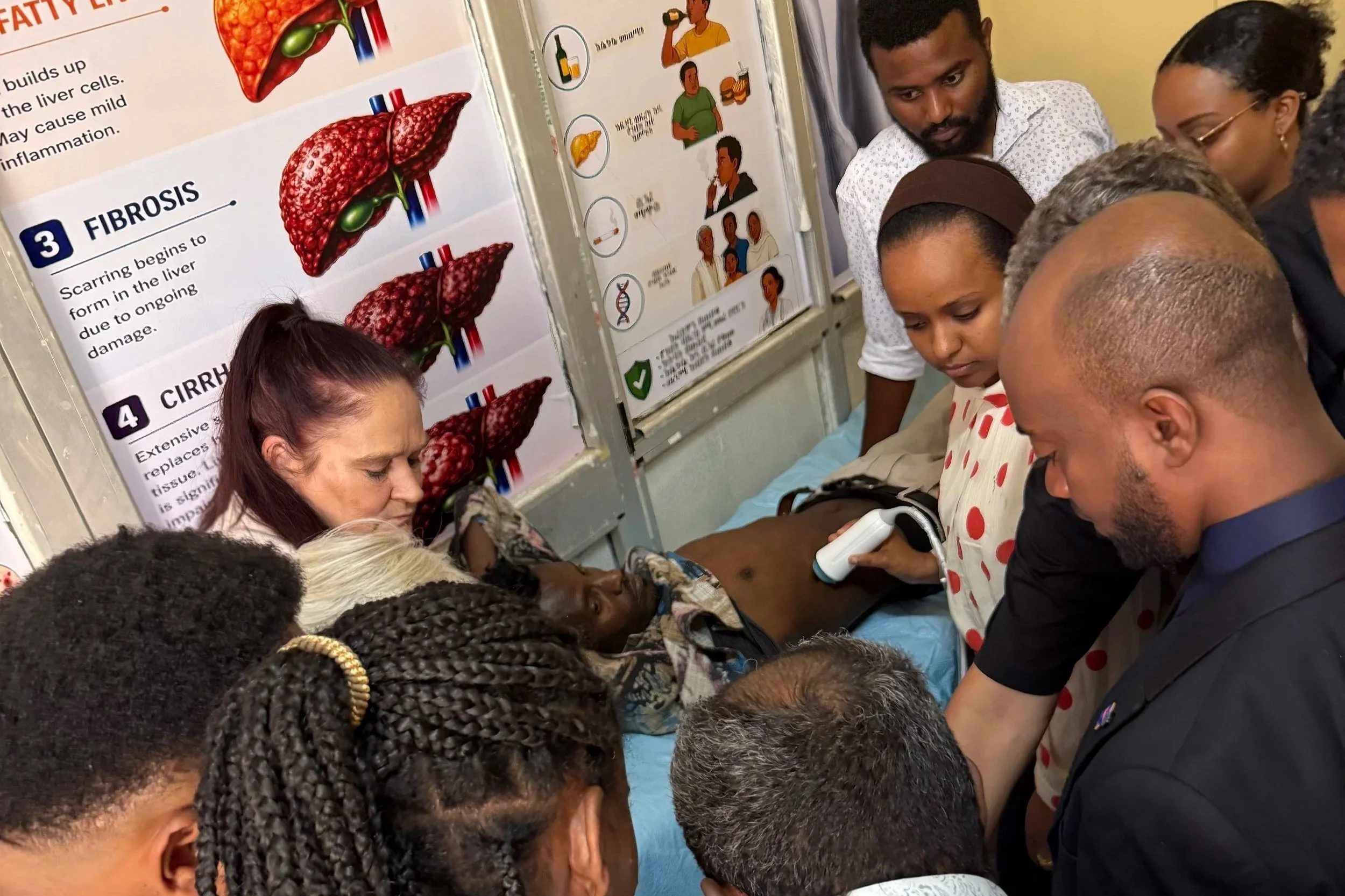
Undergo a painless liver examination called liver elastography, which uses sound waves to measure liver stiffness and indicates liver scarring or fibrosis.
Provide information that may help researchers understand possible risk factors for liver disease.
The research team will also collect:
Blood samples in any participants with liver disease
Environmental samples
Drinking water samples
Groundwater and surface water samples
Khat samples
Vegetable samples
These samples will be tested for pesticide contamination and other environmental exposures.
Why is this study important?
Liver disease is a major cause of illness and death in Ethiopia. However, there is very little information about how common it is in the general population, especially in rural areas.
The study will:
Provide the first community-level estimates of chronic liver disease in the region.
Identify people who may have liver damage before symptoms appear.
Help researchers better understand possible environmental causes of liver disease.
Provide evidence that can guide public health programs, screening efforts, and prevention strategies.
Help government agencies improve pesticide management and reduce harmful exposures.
What do the researchers expect to find?
The researchers believe they may find:
A relatively high number of people with previously undiagnosed liver disease.
Pesticide contamination in crops, khat, and household drinking water.
Evidence that environmental exposures may contribute to liver damage in the community.
What happens to people who are identified with significant liver disease?
· They will have blood drawn to look for causes of liver disease
· They will be referred to a multidisciplinary clinic to further evaluate and treat the liver disease